

Discover exactly what the Belton Journal covers — local government, BISD news, Belton Tigers, Broncos and Dragons sports, and how to subscribe for print or digital.

Discover comprehensive local news reporting services in Belton, TX covering community events, city council meetings, and breaking stories that matter to residents.
Explore detailed sports coverage services in Temple, TX featuring high school athletics, Friday Night Football, and championship competitions across Bell County schools.
Learn about event coverage services in Bell County, TX documenting community celebrations, award ceremonies, expos, and special occasions that bring residents together.
Understand obituary services in Belton, TX providing respectful publication of death notices, funeral information, and memorial tributes for community members and families.
Explore special publications in Belton, TX featuring themed editions on home and garden, graduation, seasonal events, and community topics that serve specific reader interests.
Discover advertising services in Temple, TX offering local businesses targeted print and digital placement opportunities to reach engaged community readers and customers.
Belton ISD is celebrating a historic milestone as 29 students graduated with associate degrees from Temple College before earning their high school diplomas, the largest cohort of early college graduates in district history. Students were recognized Tuesday, May 5, during Temple College’s Silver Cording Ceremony, which honors students completing associate degrees through the Texas Bioscience Institute, a partnership program between Belton ISD and Temple College. Graduates completed rigorous college coursework while also fulfilling high school graduation requirements. The district’s 2026 early college graduates represent all three Belton ISD high school campuses, including eight students from Belton High School, three students from Belton New Tech @Waskow and 18 students from Lake Belton High School. “These students have demonstrated extraordinary perseverance, discipline and commitment,” said Belton ISD Superintendent Dr. Malinda Golden. “What makes this accomplishment so special is that these students chose to challenge themselves far beyond the traditional high school experience. They balanced college coursework, high school responsibilities and their plans for the future with remarkable determination. They are walking across the graduation stage already equipped with college credentials, career-ready experience and the confidence to take their next step.” Belton ISD’s graduation ceremonies are scheduled for Thursday, May 21, at 10 a.m. (LBHS); 2:00 p.m. (BHS); and 5:00 p.m. (BNTW) at the Cadence Bank Center in Belton. The following students earned associate degrees through the Texas Bioscience Institute program: Belton High School Javier Enciso — Pre-Nursing Gracie Foxx — Pre-Nursing Shyan King — Allied Health Alexis Kley — Pre-Nursing Diego Olvera — Biology Montinezes Patterson — Biology Jonah Peredo — Biology Rey Sanchez — Pre-Nursing Belton New Tech @Waskow Annabel Ferniza — Biology Caleb Fry — Biology Lauren Orsag — Multi Lake Belton High School Carmen Arias — Allied Health Elizabeth Baxter — Pre-Nursing Christian Benner — Engineering Technology Trijae Bilbo — Allied Health Aiden Bleth — Biology Joshua Bowen — Allied Health Bailey Caldwell — Allied Health Riley Capps — Biology Elise Clark — Biology Ariyanna Fisher — Biology Calvin Fong — Allied Health Lorelai Gonzales — Biology Elika Kiblinger — Allied Health Priscilla Meyer — Biology Demarcus Miller — Biology Marvin Morgenroth — Computer Information Systems Mariangel Noguera — Biology Shanyah Oliver — Pre-Nursing Through the Texas Bioscience Institute program in partnership with Temple College, Belton ISD students have opportunities to graduate with college credits, industry certifications and hands-on experience that prepare them for success beyond high school. Courtesy Photo A record number of students from Belton ISD receive their cords during a ceremony last Thursday at Temple College.
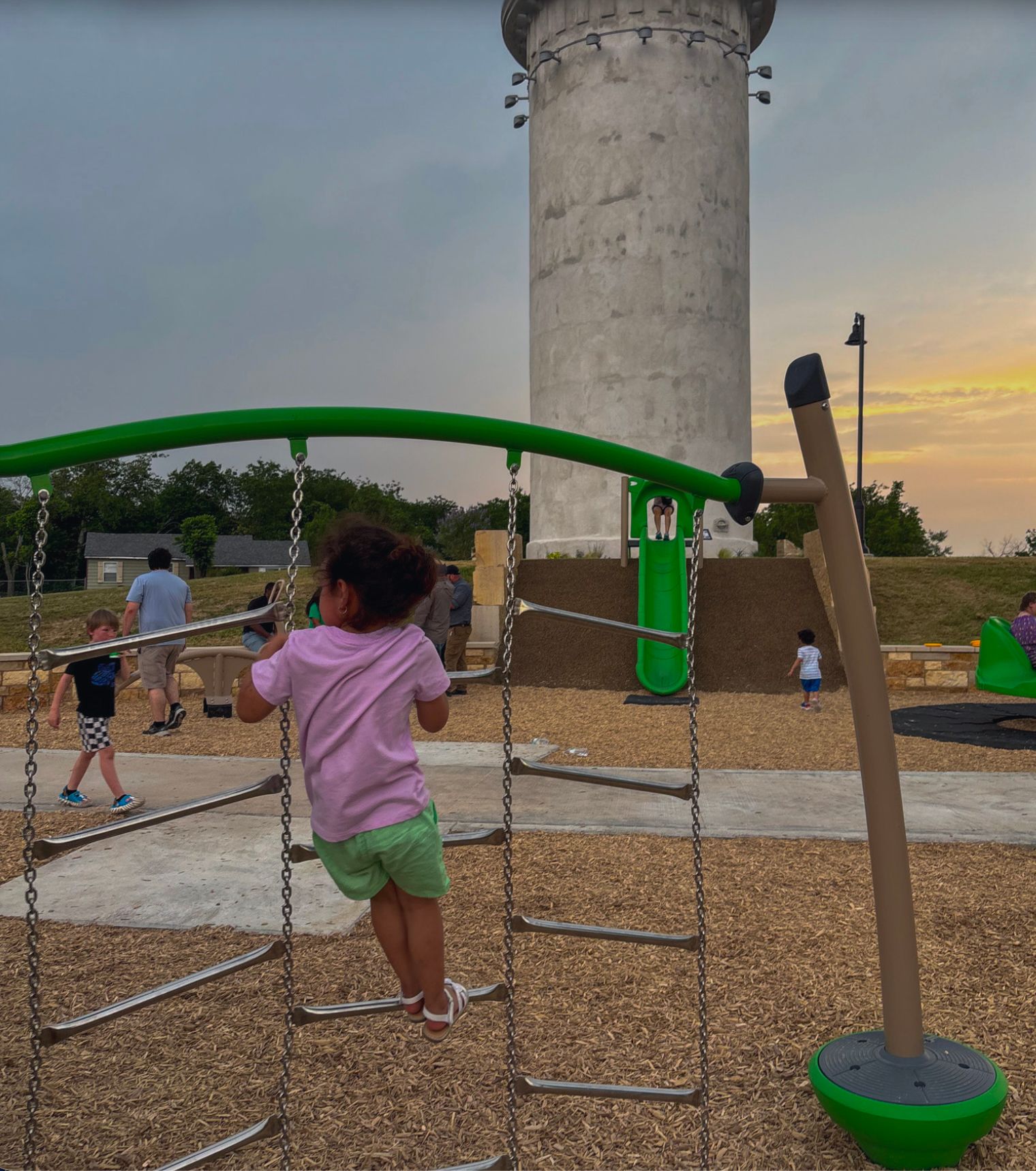
If City Council gives its approval in upcoming weeks, the Belton parks system will receive massive upgrades over the next 10 years. In Tuesday’s workshop, Council received a preview of the proposed 2026-2036 Parks, Recreation, Trails & Open Space Master Plan — a 62-page document that includes Belton residents’ ideas for improving local parks and trails. “Our Parks Master Plan is still in draft form and was presented in a joint workshop between City Council and Parks Board for review and discussion Tuesday,” said James Grant, director of Belton Parks & Recreation. “The draft plan will go on to the Parks Board and ultimately to City Council for adoption in June,” Grant added. Belton’s 2026-2036 Parks, Recreation, Trails & Open Space Master Plan includes seven major sections, including an introduction, inventory of the existing park system, findings from the community feedback, goals and objectives, a needs analysis, recommendations, and an overall schedule for recommended projects. Parks & Recreation master plans are crucial documents that help cities plan for future park investments. Belton City Council adopted the previous master plan in 2022 and the Parks and Recreation Department has successfully accomplished nearly everything proposed in that document. Parks and recreational facilities play important roles in Belton, and contribute to the high quality-of-life that residents want and expect from the city. Belton has an extensive park system, including 22 city-owned parks and trails. The city developed this plan to ensure Belton continues to strategically reinvest to ensure the recreational needs of the community continue to be met. Belton’s current parks system is comprised of 22 neighborhood, community, and special-use parks and trails, encompasses nearly 263 acres — 258 of which are developed for recreational purposes. With approximately 258 acres of developed parkland, the city provides nearly 9 acres of developed parkland per 1,000 residents. Belton is aligned with other similar communities throughout the U.S. that generally average at about 10 acres of parkland per 1,000 residents. After speaking with residents at events and through surveys, the city developed a list of 20 new amenities to prioritize between 2026 and 2036. The list, in order of priority, includes playgrounds, trails, an indoor recreation center, shade structures, pavilions, practice fields, restrooms, site furniture (benches, picnic tables and grilling stations), sports fields, multipurpose sports courts (basketball, tennis, pickleball and volleyball), and signage. Also: aquatic recreation (splash pads, pools, river access), skate park, amphitheaters, concessions, disc golf courses, native landscaping, public art, dog parks and community gardens. If approved by Council, master plan construction would begin this year, according to the plan’s implementation timeline, and several projects will be implemented every year until 3036. Courtesy Photo A child plays at Standpipe Park, which was opened in 2025. A new parks master plan was previewed Tuesday by City Council. If approved by Council, the plan will give Belton Parks & Recreation a guide for building and improving parklands between now and 2036.
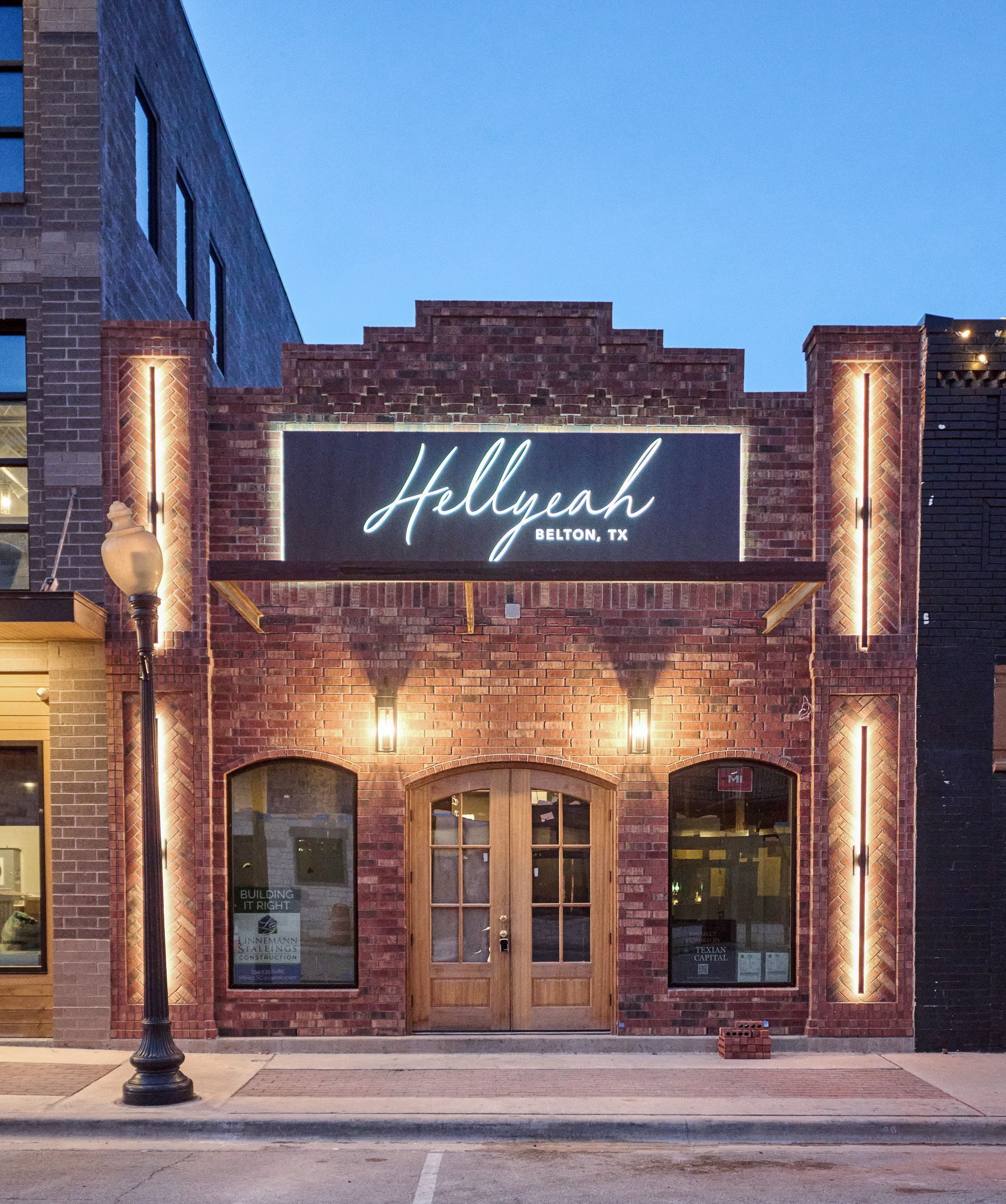
By Michele Weisman The Belton Journal The Belton Historic District has a new neighbor, Hellyeah!, bringing a global cantina style of dining to Belton, but according to the tagline, it’s too cool for most grandmothers. She’d approve of the hospitality, though. “I’ve always had this fantasy of owning a restaurant. I love to cook. We love to host and we love to make people feel welcome,” said Michael E. Linnemann. He and his wife, Priscillia Z. Linnemann are combining their passions for food and a welcoming people by opening their global cantina where food is made from scratch and specialty cocktails are made. “If you love good dining, if you love fresh food, if you love food that’s actually scratch-made, if you like curated cocktails that are at an affordable price,” said Linnemann. Hellyeah! will be open seven days a week, open late most nights and until midnight on Fridays and Saturdays. In their courtyard is an outdoor bar where weekends will have live music and DJs. A few weeks after their opening, they will be offering brunch on Saturdays and Sundays. Reservations can be made on the app, Open Table for bar dining, the dining room, or semi-private dining for a party of eight to ten. “Anybody who loves really good food, wants to have a really good time, enjoys a delicious drink, and isn’t too stuffy, come and have your Hellyeah! moment,” said Linnemann. The historic interior stone walls and rafters are a feature they wanted to preserve and revitalize for their patrons. Self-proclaimed foodies, the Linnemanns hired consultants, a restaurant manager with experience in New York and Austin and a head chef with over 25 years of experience. The establishment is located at 206 E Central Avenue in Belton, with a ribbon-cutting set for Thursday, May 21 at 4 p.m. Visit their website at www.hellyeahbelton.com.